When Money Goes On-Chain: The Bank's Role in the New Financial Infrastructure
Most of the conversation about banks and digital money assumes banks are on defense. Protecting deposits, watching issuers take share, and moving because they have to. BNY's account of how it got here is a different one.
In episode four of the stablecoin series, Brett Turner, Founder and CEO of Trovata, and Paul Bances, who led the team at PayPal that architected PYUSD, are joined by Nader Souri, who leads corporate and digital banking at BNY. Nader was making the internal case for digital assets six or seven years ago, well before stablecoins became a mainstream topic for banks.
Where he and Paul land is that regulation has stopped being the barrier for corporate treasury. Handing a treasurer a wallet solves nothing unless it connects to the systems already running the function.
Highlights
BNY built digital asset custody because institutional clients asked for it, not out of fear of being disintermediated.
Stablecoins, tokenized deposits, and tokenized money market funds are legally and economically different instruments. They will coexist rather than compete.
Regulation has stopped being the barrier to treasury adoption. Ubiquity and integration are what is left.
A wallet on its own solves nothing without integration into the treasury management system, the ERP, and the investment policy.
Speakers

Brett Turner
Founder & CEO,
Trovata

Brett Turner
Founder & CEO, Trovata
Brett Turner is the founder and CEO of Trovata, an AI-native data platform to manage corporate cash and liquidity headquartered in San Diego. Before starting Trovata in 2016, he started his career in Seattle as a CPA at Deloitte, a Controller in early-stage tech startups, and SEC reporting manager at Amazon. After leaving Amazon in 2005, he developed a strong track record for building, financing, and growing enterprise tech startups as a CFO/Co-Founder raising over $100M in VC funding that led to three successful exits in telecom, energy, and cloud.
Trovata has raised over $80M from a strategic syndicate of some of the largest financial institutions and service providers in the world, including J.P. Morgan Chase, Wells Fargo, State Street, and Mastercard. Today, the platform aggregates tens of millions of bank transactions daily and manages hundreds of billions in corporate cash for nearly 500 mid-market and enterprise customers. Brett is a leading voice on cloud-native infrastructure, AI, and stablecoins in corporate finance & treasury.
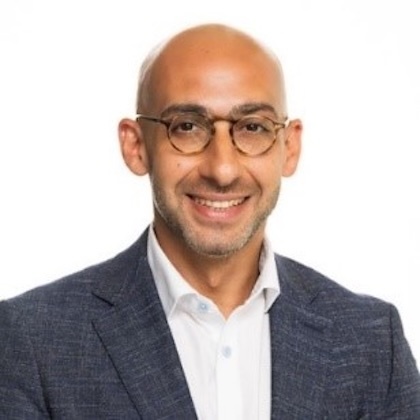
Nader Souri
Global Head of Corporate & Digital Banking,
BNY
Nader Souri
Global Head of Corporate & Digital Banking, BNY
Nader Souri is the Global Head of Corporate & Digital Banking at BNY. In this role, Nader is responsible for delivering the firm to, and developing partnerships with, some of the world’s largest corporations, FinTechs, and Digital Asset firms. Under Nader’s leadership, the firm continues to be at the forefront of expanding relationships in the sector with a focus on delivering holistic, platform solutions, and ensuring the enduring success of Bank and FinTechs engagements. His expertise in liquidity and cash management, as well as capital markets, built on his nearly 19 years in a variety of roles at BNY across client coverage and operations, enables him and his team to meet the diverse client needs of this segment. He holds a Masters in Economic Development from SOAS University of London, and lives in Brooklyn, NY.
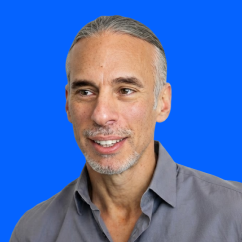
Paul Bances
VP Business Development, Stablecoins,
Trovata
Paul Bances
VP Business Development, Stablecoins, Trovata
Paul Bances has spent more than 25 years in global financial services, most recently at the center of the shift to digital currencies.
He joined PayPal in 2019 as a founding member of its blockchain, crypto, and digital currency business unit, where he spent nearly six years as Vice President of Global Market Development. In that role he drove the strategy and partnerships behind PayPal's digital currency business, including PayPal USD. He also served as Chief Operating Officer of PayPal Digital Trust. In 2025 he moved to Paxos, the issuer of PYUSD, as Head of Enterprise Growth.
Paul's earlier career spans cross-border payments and financial regulation. He led US, Canada, Latin America, and Caribbean retail for MoneyGram International as General Manager, and before that served as its Associate General Counsel for the Americas. He was also PayPal's regional counsel for Latin America, covering legal matters across 39 countries, and founded ProCompliance Advisory to advise financial service providers on legal and regulatory strategy. He began his career as an attorney at Gunster Yoakley in Miami.
Today Paul advises early-stage companies building the next generation of global payment infrastructure through TGB Advisory Group. He also serves as Chairman of Mindful Motion Mission, a nonprofit bringing dance and self-expression to pediatric patients and their families. He is based in Miami.
Subscribe
Stay in the know on finance, tech, and business.


Paul (00:01.4)
Fantastic. thank you, Brett. I have to admit I've been very excited about this particular episode of the podcast. Nader it's great to have you on. if maybe we can start off with an introduction and a little bit about your background, please.
Nader Souri (00:15.371)
Thanks so much, Paul. Really excited to be here. Nader Souri I lead our coverage practice in digital and corporate banking at BNY. for those who don't know, BNY is the world's largest custodian, a big payments bank, big investment manager. really excited to talk through this topic today.
Paul (00:36.632)
Fantastic, man. we always like to start here our podcast with sort of an origin story. And I'm not sure if you recall, but you know, you and I have known each other for several years. And we originally bonded over the Beastie Boys documentary. I don't know if you remember that. That came out on Apple T V back in twenty twenty, right around the time of the lockdown. do you remember that?
Nader Souri (00:55.511)
absolutely. bonded over Beastie Boys. I remember I was like walking through Brooklyn talking to you about it and you were like, You kinda look like you're in a Beastie Boys video right now. so that was cool. Yeah.
Paul (01:08.076)
That was exactly right. Yeah. And maybe I can get the producer to pay the proper royalties or we can add something from license to ill onto the podcast. But no, that's great. So wonderful to have you on. As I said, I've known you for quite some time, you know, at least back since twenty twenty. And you've always been an early advocate and an early believer in blockchain, digital assets and tokenization for banking and and financial services in general. Certainly way before we had the sort of favorable environment we have now.
And B N Y has done some very interesting things in the space and and we definitely want to discuss that today. But I really want to go back to the early days, right? So I want to go back to how did you go about winning the hearts and minds and the stakeholders over at B N Y and how did you build that internal use case to get B N Y not only to to look in the space but really kind of play a role at the forefront over the last couple of years.
Nader Souri (01:58.07)
Yeah, no, it's it's a great question. And and like you're absolutely right. It has not been, you know, an easy road if you go back six, seven years. you know, the the origin story around you know how BNY got involved in in in stable coins, you know, I think I think let's go back to who we are as a company, world's largest custodian, one of the largest payment banks in the world. We provide white-labeled payment services.
To other financial institutions. We're a large investment manager, over 2 trillion of assets under management. We're at the core of what's happening in the capital markets, whether it's being a collateral manager, whether it's clearing treasuries. And so, you know, a real market infrastructure bank that's core to the functioning of the global capital markets.
When we saw what was happening with stable coins, which in many respects is just another new payment rail, it was quite obvious that, you know, n just because we're a big payments bank, we should get involved. But also those services I just laid out are the perfect, you know, pieces of the infrastructure to support emerging stable coins. And so you know, the
The initial project was the now defunct Libra stablecoin project, but it it led to you know our public relationships with with Circle and and others. And it was really because you know those regulated players in the stablecoin space wanted a highly regulated and trusted infrastructure bank to support their activities. And so, you know, listen, to win the hearts and minds at BNY.
it was in tandem and in partnership with what makes us one of the most trusted financial institutions in the in the world. It's in tandem with the control teams, with compliance, with legal, and really bringing them on the journey to to uncover what was really a new asset class for us to service and manage, but also to to really understand how this affects the future.
Nader Souri (04:19.977)
of the capital markets and how we can be at the core of it.
Paul (04:24.186)
it's fantastic. No, and obviously, you know, I was at PayPal as well and PayPal was also one of the original members back in Libra back in the day. what do you think then has changed from those early days till now? What makes this moment for stable coins, tokenization, et cetera, different than than what we've seen in the past? What do you think is the catalyst that we're now seeing almost every financial institution hiring folks to come in to look at strategy?
you know, building out pilot programs or actually just diving in and and launching new products and services for their customers.
Nader Souri (04:58.047)
Yeah, I mean listen, so so I think it's like a few things that have happened. Obviously, number one is more clarity around the regulatory environment. I think like it's it's still an an evolving story, but w you know, we we do have the Genius Act. It's established a a federal framework for payment stable coins that gives institutions a much clearer basis for
deciding how to and and whether they participate. So like, you know, big corporates, which we cover, you know, Fortune 500 corporates, all of a sudden now have to understand how to potentially support this new payment rail. secondly, I think the use cases are becoming clearer. you know like like the there are there are products and offerings that actually solve real
problems. So, you know, tokenized money market funds as a as an example, it's, you know, clients actually see value in making, you know, high quality liquid assets easier to transfer, easier to use as collateral, and and and potentially moving them and accessing them outside of traditional market hours. So I think like like again, that's that's now a real use case versus just being
Paul (06:15.374)
Yeah.
Nader Souri (06:21.099)
You know, somewhere you park cash after you've, you know, done some crypto trading. and then, you know, listen, I think i you know, institutional infrastructure is catching up. So, you know, banks, custodians, asset managers, you know, they're all building production capabilities around custody, settlement, payments. so so you have, you know, you have the the changes in regulation, you have the changes in the actual use case, and then
Paul (06:40.334)
Yeah.
Nader Souri (06:49.653)
the infrastructure which is driving institutional demand. And I think, you know, all these things are happening right now.
Paul (06:58.018)
Yeah, it's interesting that you say that. and I I do want to go back to custody because if I recall, that was one of the first areas that the bank jumped into. But before that, I always like to ask this question of people on the banking side. Like, how much was the motivation fear of getting disintermediated and and sort of like trying to find now, well, as opposed to that, let's figure out what the role should be of the bank in a regulated infrastructure that's connecting sort of that traditional
financial services with this new you know digital ecosystem.
Nader Souri (07:29.173)
Yeah, I don't think like I don't think it's like it was a fear factor for us. I mean, listen, BNY is an interesting institution in the in the sense that we serve other institutions. We we don't have a retail business, you know, we we we don't have a commercial banking enterprise. We're solely focused on servicing our institutional clients and what they demand. And so
The reality is when we built digital asset custody and we we were one of the first global systemically important financial institutions to do so, that was responding to client demand for that capability. It wasn't out of fear. and I think I think we take, and I I personally take a view that you know it it's not a zero-sum game, right? So
So like digital asset custody at BNY actually sits, you know, side by side with the traditional custody platform. And so when you're a customer of BNY and you you know you you're gonna use digital asset custody and traditional custody, you're seeing it all in one place. it really doesn't it doesn't change the experience for you. and so so I do think like for us, it's all about providing optionality.
to our clients to enable them to enter new asset classes, or enable new payment rails. and and that could be even even outside of crypto, right? I mean, we've seen the flourishing of of private credit and private assets, and we've been at the forefront of that too. So so to us it's all about meeting institutional client demand.
Paul (09:10.978)
Great. So I and you mentioned as we said that you I think the first major announcement was on the custody side, if I remember correctly, but kind of walk me through sort of that evolution. So you started with custody and then you know, what what came next? Where did you see those opportunities and and and how did you sort of build that portfolio of services to address those client needs?
Nader Souri (09:33.036)
Yeah, so so we started with custody because it really is, you know, the absolute foundational aspect, right? So we can we can custody digital assets within the same institutional environment, like I just touched upon. we've always number two been interested in stable coins because I I do I hear this term a lot. It really is the super app of of the blockchain world. and and so we've always been focused on actually providing.
the underlying fiat infrastructure of stable coins. but how that's evolved now is actually we we we recently announced with circle the ability for our clients to hold USDC right on right on our digital asset custody platform and they can instr instruct you know minting and burning through BNY. So that's that that's a first evolution. And then on on tokenization,
We we've announced the launch of our digital transfer agency capabilities, which, you know, we're already, you know, on the traditional side, a large transfer agent, and this extends it to digitally native funds. And so so what really is is happening is an expansion of the same architecture that we've had on the traditional side, but taking it to a more upgraded
technology blockchain. And so that means you know more more digital assets, more networks, more mobility, and deeper interoperability. So, you know, I think the end state is it's not a separate digital asset stack. The goal is for you know our digital and traditional asset assets to work together in the same financial operating model.
Paul (11:20.726)
No, I I I think that's fantastic. As you know, I I've worked with some financial institutions and providing some consulting services to that. That's exactly right. you can't build this on the outside. It has to be part of the entire sort of holistic view that the customer has. speaking of your announcements and product launches, you had a very interesting one back in August, August fourth, I think it was, that you announced a partnership with Galaxy Digital, which we all know pretty well. can you tell us a little bit about that, please?
Nader Souri (11:49.814)
Yeah, no, that was a great announcement because it again it it it just showcases the evolution of you know what we provide on the traditional side to the digital side. So, you know, for us, like staking does matter to institutional investors. And so as the digital asset market matures, clients are increasingly expecting more than simply the ability to buy and hold an asset. And so staking is a really important.
part of the economic utility of a digital asset itself. You know, it it allows holders to participate in securing the network and in return they earn rewards. It's not too dissimilar from on the traditional side how we how we are one of the largest you know securities lenders in in the market. And so that's where you know Galaxy came in as a great partner. We're working with them to integrate their staking capabilities
right onto our platform. they bring in the expertise that they've that they've built. and and so so again, you know, like you're seeing the evolution with partners of us becoming a one stop shop for our clients. and so right so custody now is not just simply you know holding it but it's actually putting your asset to work.
Paul (13:03.918)
Paul (13:09.218)
No.
Paul (13:13.398)
All right, so you've you've mentioned custody, now you mentioned staking and other things that that can cause regulators to ask some questions, right? And when we were at PayPal and we were launching you know PYUSD, the stablecoin, a big part of the job was going out and speaking to the regulators both domestically and internationally, because they wanted to understand what we were doing, they wanted to understand the risk, because obviously PayPal is a a regulated institution, obviously BNY is.
Tell me a little bit about that regulatory journey for you guys. Because I would imagine that, again, today we kind of forget two, three years ago, you know, what the conversations were like. And I think now folks have become a bit more educated on the technology and on the use cases. But tell me a little bit about what that looks like for an institution like BNY to sit in front of regulators and explain not only what you're trying to do, but why you're trying to do.
Nader Souri (14:11.551)
Yeah, I mean I think I think the really important point about that question is, you know, you actually have to sit down with regulators. and you have to sit in front of them and you have to bring them on the journey of responsible innovation with you. And so so I you know, I I think for us, and this has always been the case, no matter, you know, what what topic we engage our regulators on, they are partners with us on this journey.
And they are partners with us on the journey of responsible innovation in financial services. Because, you know, you don't want innovation to come out of a world where the regulators don't have a say, where they where they're not viewing what's happening. you know, you want them to be part of it. And I think that's what made BNY, you know, an early adopter, but in a trusted
and regulated way, we did it in partnership and in tandem with the regulators. And and yeah, environments change, right? And and and so we're we're in the business of always being ready for for any environments that we have to operate in, always with the perspective of serving our clients, but doing it in partnership with the regulators that oversee us.
Paul (15:22.318)
Yeah.
Paul (15:35.415)
Interesting. So you've used the word partnership several times. So I want to ask this question because as I said before, in my opinion, and I think in most people's opinion, BNY has kind of been at the forefront from a banking perspective in this space. But you're also starting to see a lot of collaboration amongst banks, right? And and they're starting to explore whether there should be s you know some sort of network within the banks for tokenized deposits or deposit tokens. and then some banks are really again like BNY.
Is is taking a a step forward individually or independently of some of those networks and groups. What are your thoughts there? Because we have a tendency, I think you said it earlier as well, we have a tendency in the industry to put A versus B, right? Stable coins versus tokenized deposits, or back in the day, Bitcoin versus Ethereum, or X versus Y. and I think a lot of folks continue to do that. Is should it be a consortium network approach? Should it be just, you know, bank doing it individually? What are your thoughts on that and how how do you go about
addressing or evaluating those opportunities within the bank.
Nader Souri (16:35.541)
Yeah, listen, I I I think I'm firmly in the coexistence camp here of the like whole kind of stable coins versus tokenized deposits versus tokenized money market funds. Listen, like all these things solve sometimes overlapping problems, but they're economically and legally different instruments, right? Like a tokenized deposit is still a you know, a bank deposit represented.
On a digital infrastructure, a stablecoin is issued under a totally different legal structure and backed by reserves. Like those differences matter. They matter for balance sheets, they matter for regulation, they matter for liquidity, and they matter for how institutions use them. So, you know, like listen, I can I can see, for example, like our corporate treasurer who wants to, you know, accept a stablecoin because perhaps that you know a vendor wants to pay them in a stable coin.
And now all of a sudden they they accept that stable coin, but then they want to convert it into something yield-bearing. perhaps they can do that with with bank deposits on a digital form, or perhaps they want to use a tokenized money market fund and perhaps they use both all in the same day. That's that's not too different, actually, from what a corporate treasurer does today, right? A corporate treasurer takes in a takes in a payment via ACH or wire
Here. And then they invested per their investment policy statement, which is either in a deposit in a money fund, or maybe they're buying, you know, treasuries or or other short-term fixed income assets. so so again, I think it's not a question of you know which instrument is going to win. It's yeah, I think I said this before, it's not really a zero-sum game. it's an evolution of the instruments that are available.
to clients today. And so that could be because you want to, you know, you have a particular relationship with a bank, you may want to go into a tokenized deposit, or perhaps your investment policy statement states you should only be X kind of money fund, then you have a tokenized version of that as well.
Paul (18:49.878)
No, that makes a a lot of sense. Like you said, it's not a zero sum game. And I say this to folks all the time. It's way too early to start picking winners and losers in the space, right? We we have no idea how things are going to evolve. When you and I first started looking at stable coins, again, it was a trading use case to go in and out of volatile you know currencies and it was four billion in market cap and and you know now over three hundred. let's let's go back to that corporate treasury because you mentioned it a couple of times. I I think
Nader Souri (19:10.155)
Yeah. Yeah.
Paul (19:17.474)
You know, there's certainly a lot of excitement about digital assets and tokenization and corporate treasury, but what do you think are our sort of the biggest barriers today that are sort of preventing those digital assets and tokenized money you know from becoming part of of everyday corporate treasury? Is it the regul the regulation? No pun intended. Do we still need clarity on what the regulation is going to be? Is it the technology? Is it just education?
is it the other tools that they need for risk compliance? How how do you view this in terms of what does the industry need to start really getting adoption at scale on a corporate treasury standpoint?
Nader Souri (19:56.064)
Yeah, I and I think like I will I will use the term that you use, which is it's still early days, but but listen, like I I I think the couple of barriers are just like natural when it is early days. So so so number one, it is about ubiquity. so so so naturally right now, you know, like corporate treasury is thinking, okay, so so so we're getting more regulatory clarity now.
Now I have to think about, you know, what stable coin do I accept? Who is it issued by? Is it federally regulated issuer? Who who's gonna help me support like that enablement of stable coin acceptance and dis and disbursement? Is it a bank? Is it not a bank? Is it someone I trust? And so and so these are like these are complicated questions actually. And and so that's why like we we we really strive
to make it easy for clients to figure that out. Like the infrastructure is available through digital asset custody. You know, we're obviously a bank that's well known to many corporates around the world. and then like you have tokenized options as well. So so like, but that is that is one barrier is like, you know, there's the ubiquity, is it there? And then once it's there, now I have to set up like a new infrastructure sort of. And so so that's one.
I think like r regulation is is helping. So I I I don't think like that's a true barrier at all. I think the I think the final one is like, listen, how does this all connect with like the existing systems? You know, the the existing treasury management systems, the URP systems, the bank accounts you have, the liquidity policies. We just talked about like the investment policy statements and and and tokenized money market funds.
Paul (21:40.428)
Yeah.
Nader Souri (21:51.84)
And so like like just saying like, yeah, here's a wallet, it like doesn't solve any of the problems that a corporate treasure has. What what they really need is like deep integration of that wallet into their existing platforms that make things work today. And I and I think like that is going to be an evolving story, but it's certainly a barrier today.
Paul (22:13.858)
Yeah, no, and and obviously, you know, here at at Trovata trying to solve those problems for corporate treasures, right? As we used to say this even back at PayPal, you you can't build something that's outside like a speedboat outside the carrier. You gotta build it as part of the carrier because if you force folks to adopt, you know, new policies or new procedures, you know, outside of what they're traditionally doing for their cash management and treasury, it's not going to work, right? You you you can't expect folks to
To really you know, upend everything that they're doing. It has to fit holistically into what they're doing today. So I definitely agree with you on on that sort of viewpoint. You mentioned stable coins and issuers and all of that. So now I'm gonna ask you, forget your your BNY and just you know, talk to me as the the expert that you are that I've admired for several years. I often refer to this time now as you're gonna see a renaissance period of stable coins, right? Everybody is gonna launch their independent stable coins.
For whatever their motivation is, whether it's because the underlying economics or whether they believe you know, they w they want to make a proprietary coin because of their brand, obviously that comes with a lot of risk, right? As you said, you know, a lack of interoperability or or a lack of sort of liquidity for each, then you're creating sort of these walled gardens that we've had, you know, in the fintech side, for example, for several years. Yo your own personal opinion on this. Where where do you think all of this lands? You know, do you see a world where
You know, it's one or two stable coins are gonna win on a on a long enough timeline, with a couple of others that are niche or or is there some sort of clearing house in between? How do you think this whole sort of ecosystem evolves in the next couple of years?
Nader Souri (23:51.734)
Yeah, it's a it's an awesome question. And honestly, I wish I had the answer, Paul, because no, no, I mean I mean listen, in all in all candor, I think that there's obviously a a couple of stable coins already that have that have developed the trust of the market and that have built out the regulatory requisites to be trusted. So like I I I think that's just they were early.
They built scale, they're trusted, and you know, you can continue to see them kind of, you know, evolve and grow. I think I think you're already seeing like other consortiums and you know, like, you know, we were part of the open standard consortium and we were listed there publicly because we we do think like there is going to be you know new stable coins out there that offer a different, you know, you know, use case and and offer a different value.
for its end users. And and I think that's good. Competition is healthy. Competition is good for the market. And and I think it's it's good for us to to be part of that. So so I think you will see one or two other big projects. And honestly it it doesn't preclude you know others from issuing. I I I I do think though that it's important, and this is applicable to anyone running a business, that you you know you really focus on your core
capabilities. And so for like non-financial corporates to suddenly want to issue their own money sounds a little strange, right? And I and I think it detracts from like their core principles. However, can they be part of and use a stable coin as part of a consortium or or as part of a another mechanism? Like then yes, absolutely. And if it a offers value to to their end business,
Paul (25:19.832)
Sure.
Nader Souri (25:48.117)
Then great. So I I I guess I you know, I I don't mean to be this like the truth is somewhere in the middle kind of guy, but but I think in this case that's true.
Paul (25:53.89)
Sure.
Paul (25:57.251)
Yeah, no, I I I think you're right. And I think people underestimate sort of the effort that comes after you issue a stable coin. The the issuance is actually quite easy now. The technology is sound and and we've seen that over and over again. But again, back at PayPal, you know, once we issued, then the real job became right that it started, which was building out the ecosystem support, the liquidity, the on and off ramps, you know, all of that. And I think people underestimate how much time and effort it takes.
to be able to build that that sort of ecosystem support. All right again go
Nader Souri (26:29.909)
Well well, we could do a whole podcast of you telling us how much effort it it took on that front.
Paul (26:35.032)
Yeah. Yeah, yeah, yeah, no, definitely. So going back again on on your personal side, so what excites you about the next couple of years here, man? What are the trends that you're seeing that say, you know, I'm in the right place at the right time and it's exciting for me to work in this space? What are the trends that you think you know do have the potential of really you know transforming or evolving financial services as a whole?
Nader Souri (26:59.359)
Yeah. No, it is an exciting time. So so so listen, I think like number one, we've been at BNY, we've been serving corporate treasuries and large corporations for years. We operate you know, one of the largest investment portals in the world, Liquidity Direct, and it offers corporate treasurers the opportunity to invest their excess cash. And I think the evolving nature of tokenization is going to make, you know, that platform
much more profound for corporate treasurers who who now you know can actually think about receiving money in one geography and converting it to another in a 24-7 format. I think like I I think we don't talk about this enough, but I think that's going to be like a really powerful tool for for large multinational corporate treasurers. and and then I think like
Paul (27:44.323)
Yeah.
Nader Souri (27:56.054)
I think the other thing that excites me is you know the the ability to move collateral at a faster pace. I mean it just unlocks an incredible amount of of value and economic value that sometimes is trapped. what it does to trade finance is like another evolving story. but then then finally in a in a and on the personal front, like listen, I think the ability to
To send and receive money, even on an individual basis, cheaper, faster, offers enormous value to society. And that that I think like for anyone who's ever had to send money overseas, and and yes, like there are some good platforms that do this, but anyone that needs to send money to someone in need or someone overseas, I mean.
Paul (28:29.954)
Yeah.
Paul (28:36.8)
Agreed.
Nader Souri (28:55.445)
Th this is a a great development for the interconnectedness of the world and people sending and receiving economic value to each other.
Paul (29:05.174)
Yeah, I couldn't couldn't agree more. you and I you know have very similar viewpoints on that and and sort of the fundamental aspect of being able to to provide for family and friends and the possibility of this technology for financial inclusion. I'm also excited about that as well. Nader thank you very much. appreciate you being on. This has been fantastic. Lovely to get a a a banker's perspective, especially one like you that's been at the forefront. I applaud you for your success, both
individually and part of the as and the institution as well. I think you guys you know have always been the adults in the room as we like to say and as a result of that you've helped the industry overall over the last couple of years. So thank you again for being part of the podcast and I look forward to to seeing more announcements come from the bank. Absolutely man. Thank you.
Nader Souri (29:51.682)
Thank you so much, Paul. Really appreciate this time today. Thanks. See ya.
About Fintech Corner
A podcast for fintech lovers that starts conversations between bankers, financial technology innovators, and their clients to evolve finance and treasury for the 21st century. For decades, there has been a gap between the technology that banks can offer and what corporate clients need for modern cash flow management and analysis. We’ll cover emerging trends to help bridge this gap, technologies that can reshape the roles of treasury & finance, and the in’s and out’s of API bank connections & open banking.