What Will It Take for Stablecoins to Go Mainstream?
Stablecoins are all over the news. They still haven't shown up in the day-to-day work of corporate treasury and finance teams.
In the first episode of our stablecoin series, Brett Turner, Founder and CEO of Trovata, is joined by Paul Bances, who helped build PayPal's digital currency business and the market for PYUSD.
Brett opens with the question most treasury and fintech leaders are already asking. If this is as big and game-changing as everyone says, when does it actually arrive? Ten years out? Five? Or sooner than the market expects?
Together they frame what mainstream adoption looks like in corporate finance and corporate treasury, and what needs to change before stablecoins become part of how companies move money.
Highlights
Stablecoins are everywhere in the news and nowhere in the day-to-day work of corporate treasury and finance teams.
The real question is timing. Is mainstream adoption ten years out, five, or closer than the market expects.
Mainstream in corporate finance means something very different from mainstream with consumers.
Paul's side of the story, from the blockchain and crypto world through the founding of PYUSD.
Brett's side, building Trovata on data and modern infrastructure to automate cash and liquidity workflows.
Speakers

Brett Turner
Founder & CEO,
Trovata

Brett Turner
Founder & CEO, Trovata
Brett Turner is the founder and CEO of Trovata, an AI-native data platform to manage corporate cash and liquidity headquartered in San Diego. Before starting Trovata in 2016, he started his career in Seattle as a CPA at Deloitte, a Controller in early-stage tech startups, and SEC reporting manager at Amazon. After leaving Amazon in 2005, he developed a strong track record for building, financing, and growing enterprise tech startups as a CFO/Co-Founder raising over $100M in VC funding that led to three successful exits in telecom, energy, and cloud.
Trovata has raised over $80M from a strategic syndicate of some of the largest financial institutions and service providers in the world, including J.P. Morgan Chase, Wells Fargo, State Street, and Mastercard. Today, the platform aggregates tens of millions of bank transactions daily and manages hundreds of billions in corporate cash for nearly 500 mid-market and enterprise customers. Brett is a leading voice on cloud-native infrastructure, AI, and stablecoins in corporate finance & treasury.
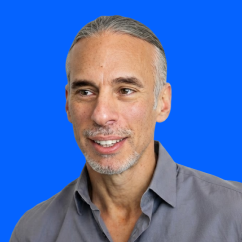
Paul Bances
VP Business Development, Stablecoins,
Trovata
Paul Bances
VP Business Development, Stablecoins, Trovata
Paul Bances has spent more than 25 years in global financial services, most recently at the center of the shift to digital currencies.
He joined PayPal in 2019 as a founding member of its blockchain, crypto, and digital currency business unit, where he spent nearly six years as Vice President of Global Market Development. In that role he drove the strategy and partnerships behind PayPal's digital currency business, including PayPal USD. He also served as Chief Operating Officer of PayPal Digital Trust. In 2025 he moved to Paxos, the issuer of PYUSD, as Head of Enterprise Growth.
Paul's earlier career spans cross-border payments and financial regulation. He led US, Canada, Latin America, and Caribbean retail for MoneyGram International as General Manager, and before that served as its Associate General Counsel for the Americas. He was also PayPal's regional counsel for Latin America, covering legal matters across 39 countries, and founded ProCompliance Advisory to advise financial service providers on legal and regulatory strategy. He began his career as an attorney at Gunster Yoakley in Miami.
Today Paul advises early-stage companies building the next generation of global payment infrastructure through TGB Advisory Group. He also serves as Chairman of Mindful Motion Mission, a nonprofit bringing dance and self-expression to pediatric patients and their families. He is based in Miami.
Subscribe
Stay in the know on finance, tech, and business.


Brett Turner (00:01)
Welcome to FinTech Corner. ⁓ we're really excited about ⁓ launching what's gonna be a new stablecoin podcast for us. And so there's a there's a lot of stories to tell. ⁓ I think the what's happening in the ⁓ in the in the steam of stable coins is all been kind of a consumer story. We're gonna tell a different story, and we'll tell you a little bit about that and set that up for a second. But ⁓ really great to have Paul Bances with me as a guest. We're gonna kind of dig into his story a bit. ⁓ he was
instrumental and had a key role in really where stable coins is today. So we'll kind of dig into that. It's a bit of a backstory to the setup of what we're going to talk to. So this is episode one. We're going to get a lot more into where we go with a lot more episodes to come. And ⁓ excited to dig in. So the first thing I'm just gonna gonna set this up with kind of what is the thesis? We're calling this stable coins going mainstream. What's gonna accelerate the adoption in corporate finance and treasury? So
If you think of what's happening right now ⁓ with the Clarity Act and what largely is the bank and crypto lobbies ⁓ you know battling it out in this high stakes battle. When is this bill gonna get out? When is it gonna get signed? When is it gonna get agreed to? And what it comes down to really is around yield. And so much of this is a consumer story around the the concerns of a flight of deposits around yield for consumer banking. And and you look at
Why that matters. It matters to consumers, but there's a whole different element that's not being told about at all that's sort of missed. So we kind of say, hey, this is the the wrong lens when you kind of look at where this is gonna go. Most of stable coin is all about kind of trading in crypto today. But if more to go mainstream and have all the uses on the business side, in particular businesses that are 20 million in annual revenue and above, like there's a corporate finance and corporate treasury use case here that's welling up.
You know, we've got a lot to say about that. So that's really the angle of this whole podcast, a series of podcasts. And so let's dig in. So Paul, ⁓ just great to have you on and and and you've got such a great story, a great background. Let's start, you know, ⁓ talk about, you know, make an introduction, introduce yourself and and tell a little bit about your background.
Paul Bances (02:17)
It's fantastic. Thank you, Brett. And I will say we're we've picked a fantastic time to kick off this podcast series. There's so many things happening in the market. every week there's an announcement that underscores what you said before that especially in the stable coin world, you know, the whole narrative of this being a crypto product, et cetera, that's kind of left behind. And what we're talking about now is just building, you know, infrastructure to move value, payment infrastructure. So it's incredibly interesting time. as you said, you know, I have
Been very blessed to be able to operate in this space during a really wonderful and interesting time over the last several years. You know, my payments background before is I started off as an attorney working with a lot of banks here in Miami, a lot of international banks in Latin America, but then kind of moved over to more of the FinTech and sort of non-bank financial institution side. That's when I first joined PayPal back about 15 years ago as an attorney.
then I went over to the payment side, again, moving value ⁓ and remittances. worked with MoneyGram. That's where I transitioned from being a lawyer to being more of a general manager and running a PL. And then I was very, very fortunate to go back to PayPal as one of the founding members of the, we called it the BCDC team, blockchain, crypto, and digital currency team. So I was one of the founding members there, got to work with some extraordinary folks on putting really together the strategy from day one, you know, from zero.
for PayPal as a payments company ⁓ to be able to incorporate this new technology that was coming up. And ⁓ again, it was a very interesting time. If you kind of look at the evolution of things when I first started here, you'd walk into a room and you talk to people about, you know, blockchain, distributed ledger technology and Bitcoin, and you were met with eye rolls, right? you know, it suffered from a it suffered from a big PR problem at the time. but then you've kind of saw the evolution of that. And and again from a PayPal perspective, we always looked at it from
payments infrastructure or payment rails and thought, you know, as a company that's involved in that space, how can we leverage this technology? But there was a lot of things happening in the market with the whole FTX disaster and the whole Terra Luna. But then we kind of survived that and gotten out to this other end where, as you know, Brett, largest banks in the world, other financial institutions, you know, Visa, MasterCard, everyone that's involved in payments and exchanging value.
Is now looking at this technology and saying, okay, now that we have, now we know the technology works, you know, what do we need in terms of infrastructure to be able to have this adoption? ⁓ and not just on the retail side, but consumers, as you said, that's sort of a different market. But when you want corporations and enterprises to be able to use this for all forms of payment, you know, whether it's internal money movement or payment to counterparties, we're seeing a lot that's happening in the market now in the last couple of weeks and months.
That sort of validates our thesis back in 2019, 2020 when we were putting this together, ⁓ that, you know, stable coins, a a a stable value that can leverage the underlying technology is going to, you know, add a lot of optionality and choice to payments. You know, would it ever replace traditional Rails? It's hard to say, but in the short term, certainly is going to complement it and be able to really take advantage of sort of that.
you know, all of the elements that blockchain gives you, which we know now, you know, the instant settlement 24-7 availability, but then also, you know, the programmability of it, you know, and the ability to use it with limited intermediaries. So, you know, I was lucky enough to get started in this space from a from a payments perspective at PayPal. And, you know, I pulled actually some documents we put together for the then CEO and read them the other day and said, yeah, we we were onto something very early on.
Brett Turner (05:53)
So real quick, because this is this could be a podcast in and of itself. Even this, like you're you you have this background as a lawyer, as a corporate lawyer with MoneyGram. ⁓ and then ⁓ you kind of make this pivot as a in business development. Now you're kind of at the ground floor, really building as the founding team of of PYUSD and architecting and launching that. So that's a big shift. I mean, that's probably a little bit of a a a jump or maybe taking a risk. That sounds a little different. I mean that that again like
there's probably a story of that. What caused you to see that and just is ready for new adventure or were you already kind of also dabbling in crypto and kind of had that background? What was sort of the emphasis ⁓ the the the drive there?
Paul Bances (06:33)
Yeah, no, it's a great
question. So I I was at MoneyGram at the time, and then that's when I had switched to running the PL there. And it was all for the Americas, which if you know remittances, that's an incredibly important corridor. When you start thinking US to Mexico, Central America, a lot of, you know, inter regional ⁓ remittances in the Latin America and Caribbean region. My interest in stable coins and and just well actually in crypto as a whole started more just on my own. ⁓ you know, started noticing it pop up a lot and
From a legal perspective, I was also interested in sort of blockchain and the law and read a couple of books on that. And you know, there was this phrase that code is law, you know, something that was mentioned often ⁓ in the early days. So just started, you know, sort of looking at the space. But then I was again fortunate enough that an old colleague of mine from PayPal, ⁓ who he used to run the Latin America division and I was his lawyer, ⁓ you know, went back to PayPal with with the mandate under Dan Schulman, the CEO of that.
we needed to put together a cryptocurrency strategy. At the time, the only thing that PayPal was doing is they were one of the original members of ⁓ Libra, if you remember that, you know, from Facebook. And ⁓ yeah, Dan, you know, we were one of the original ones. Yeah, yeah, yeah. And you know, we went in then in 2019 ⁓ with my colleague Jose Fernandez da Ponte, who is now with Stellar, he gave me a call and said, Look, I I I really want you to come in as a founding member of this, because one of the important elements here
Brett Turner (07:36)
That's right. I forgot about that, yeah.
Paul Bances (07:55)
Is going to be navigating sort of the regulatory aspects of all of this, right? It's not just a go-to-market, it's not the product. ⁓ it's also, you know, we're living in the gray area here in the US and globally. And quite frankly, that's something that have done a lot in my career because when the first time I was at PayPal, you know, you were trying to describe to people this whole sort of digital wallets, you know, cross-border, ⁓ and you were going throughout Latin America and meeting with all of the regulators there, explaining this to them. So navigating that sort of gray area.
was something that I was accustomed to. ⁓ so he thought great idea to put you not only, you know, the head of global market development, ⁓ also gave me sort of dotted lines from legal and compliance and regulations and and and GR, because we knew that this was going to be an adventure to sort of navigate, because again, PayPal was a highly regulated ⁓ institution. ⁓ and then was lucky enough again, when you're a small team, you gotta play many hats, right?
⁓ so I remember that early days, you know, now the BCDC team at PayPal is, you know, 200 plus. but in the early days it was four of us sitting in a room making these decisions. ⁓ you know, at the time I remember Brett, the market cap for stable coins was four billion, right? So 320 now, right? And putting together sort of our thesis. but I I think it was the culmination of having had a fintech background with the legal compliance risk background, again, living in the sort of gray area.
Brett Turner (08:57)
That's awesome.
Paul Bances (09:18)
And then this just general interest, ⁓ you know, it was never about the speculation, it was never about you know how high Bitcoin's going to go. It was all very first principles. You know, PayPal is a payments company, we move value between merchants and consumers, and you know, merchants to consumers and P2P, and we have the Zoom product for remittances, taking a step back holistically and saying, What would you know, digital currencies as a whole, what is this technology going to unlock for PayPal?
so it was a great time to to be involved. So it's again very, very fortunate to do that.
Brett Turner (09:48)
Yeah, yeah.
Well, i it's not surprising that, you know, Jose picked you 'cause it just even the short time that I've gotten to know you too, like you're it's you know, almost like most interesting van territory or you've done a lot and you've done a lot of things. I think partly it's like he needs somebody on a special mission. 'Cause I can imagine going to PayPal too. It's probably like in those days when you're starting for like you say four people, it's awesome. It looks like startup within now, you know, what used to be a startup but you know, decades ago.
Paul Bances (09:54)
Okay.
Yeah.
Brett Turner (10:16)
And there's probably some resistance to that. People are probably like, you know, why are we doing that? Does that make sense? ⁓ there's probably a lot you have to navigate internally. A lot of the stuff that you just have to, again, it's still ground floor aspects of you're gonna have to figure this out with not the benefit of the ecosystem as it exists today. There's probably stuff you're having to to to build and leverage. So yeah, what next? You go to PayPal, I'm sure there's all those layers that you're having to contend with. You're kind of having to to navigate and you know, use all of your
you know, tools in the in the tool bag to to navigate through that. What's what what you know, you're on the scene, you're working through it. What's been some of those, you know, that journey, ⁓ maybe the resistance and then some of the challenges that you're facing?
Paul Bances (10:57)
Yeah, you know, there was a lot of learnings with that, right? Because we didn't want to just adopt what was out there, right? We were trying to position ourselves as we believed early on that for a variety of reasons, you know, the strength of the brands, you know, trust, ⁓ our regulatory structure, et cetera, ⁓ that we were in a position not only to just adopt what was out there, but we can actually lead and we can innovate. that took a lot to convince internally, though, because you know, we you do have a regulated financial institution here that is, you know.
subject to a lot of ⁓ of compliance obligations and risk obligations and you know it's a global operation. And here we are introducing something that's very new to everybody. So it was great training ground ⁓ for later when we were trying to then get other companies to adopt what we had built. It was great training ground internally PayPal as to what is it that PayPal needs to see, what are the folks that what do what issues do we need to address ⁓ for folks to be able to get on board and want to support not just adopting this, but being a leader and actually
Trying to be an innovator and trying to launch some of these capabilities. And I found that
Brett Turner (12:01)
What was the what was made real quick, sorry to interrupt what was kind of the strategic
get though for for PayPal? What what did it feel like if y y y y I'm sure there's part of that, you still kinda have to build out the thesis to get more of the green light 'cause it's so early. But then what really what was the the the thesis there for PayPal? Why do it? What was what was in it, you know, for PayPal given you know some of the other things that are already kinda out there?
Paul Bances (12:24)
Yeah, so the reality was that there was a couple of things that factored. The first element was that this is coming, right? So it's not a question of we can choose to ignore it or not. We can be owners or renters of this in the future, right? But we knew the technology was coming. ⁓ again, I got to work with some very brilliant folks that were analyzing this and seeing, look, what this can potentially unlock when you have new payment rails that don't have some of those pain points that we had traditionally.
Brett Turner (12:46)
Mm.
Paul Bances (12:51)
This is going to come, and this is going to be again optionality and choice and provide a new sort of path to exchange value. and we decided early on, as I said, that analysis was do we do we just want to, like on traditional Rails, sort of be renters of what's out there, or can we control a little bit more of this? So there was just a strategic aspect of controlling. But the other part was what I said earlier, we thought that brand and trust ⁓ and sort of our
Compliance element was very, very important. So we wanted to control to a certain degree some of these elements, right? And it had to be sort of a controlled environment that we wanted. So when it came to functionalities of the coin itself, ⁓ in terms of launching our own stable coin, you know, seize and freeze capabilities, how we would talk to regulators about it, we we wanted to control our own destiny there. And because we realized that the technology was there, like launching a token ⁓ in terms of managing smart contracts and all of that, that that's
Brett Turner (13:35)
Mm.
Paul Bances (13:48)
You know, settled that that's that all works. The question then becomes is how do you build utility? How do you build distribution? how do you get ecosystem support? And again, because of our existing network, we thought we were in the pole position to be able to say, we have the merchant relationships, we have consumers all around the world, they're used to exchanging value, we know what the pain points are on cross-border e-commerce or merchant settlement or even remittances due to the Zoom product.
Brett Turner (14:01)
Mm.
Paul Bances (14:14)
so therefore we, you know, we wanted to make sure that we controlled our own destiny a bit. Plus, during that period of time, as I alluded to earlier, a lot of things were happening in the market. you know, so we wanted to make sure that we ⁓ reduced down the counterparty risk as much as we could to be able to manage it sort of internally. And I think the the the folks at PayPal that were in payments and understood the way that it works, ⁓ they bought on earlier. They understood what the what what sort of the pain points were.
Brett Turner (14:32)
Yeah.
Paul Bances (14:42)
That this newer technology can help solve. And there was always a path towards not just building a stable coin for regular use out in the wild, it's weaving that into the existing sort of PayPal workflows, right? And how can this unlock greater e-commerce possibilities, you know, cross-border? How can this improve small, medium businesses cash management by you know earlier settlement, things to that extent? So always tying it into.
something that the company was trying to focus on from a customer or a merchant standpoint.
Brett Turner (15:14)
What were maybe a couple things going on, like you Luty, like there's a lot going on. I mean we could kind of, you know, but what may might have been the the the big thing or two that was the catalyst or like, okay, this mission now, the the the importance of it, the scope of it is now going up. we have to do this. ⁓ we it's not a want to, it's a need to. Like what were some maybe some of the factors that really started influencing that that kind of gave you a little bit more wind at the back?
Paul Bances (15:18)
Right.
Yeah, no, it's a great question. So I'll talk about the negative ones first. You know, obviously the whole FTX thing happened during that time and then Terra Luna disaster with an algorithmic stable coin. There were some issues with some banks out west and momentary DPEG of a very, you know, well known ⁓ stable coin. You know, we used all of that to identify more as opportunities, right? There was a place here we felt for the adults in the room to be able to.
Brett Turner (16:04)
Mm.
Paul Bances (16:09)
You know, convey these messages, you know, sort of change the narrative ⁓ as a trusted brand and go and we would proactively go and meet with regulators, even regulators that didn't regulate PayPal per se. we would go and meet with them. Just we thought part of our job was to be evangelists, but to be educators as well. So we took our responsible innovation approach very seriously by making sure that we were careful of what we were putting out there. But first it was all the negative things that were happening that we felt there's an opportunity for us to be leaders now.
as of more of a trouble, yeah.
Brett Turner (16:38)
And and on and and on that,
and on that, was that just again what we've seen is really a shift in the climate because a lot it was like, hey, just a lot it's just a free-for-all, a little bit Wild West, kind of building stuff for, you know, to ease of utility to kind of get things out there. But then, you know, I would think from PayPal's lens, it's like, okay, everybody knows that there's a lot of good things there, but nobody's really doing it in a more of a regulated way. And ultimately, if it's gonna make this leak.
That's gonna need to happen. I know like Circle was that was kind of big part of Circle story. And that was one of the reasons why I kinda started, you know, digging into this, you know, well over a year ago. But that the Circle IPO, because that, you know, you look at their meteoric rise, but part of that story for them, it's almost like they were they did something a little different. They focused more on the regulatory side. Was that really PayPal's angle too? Seeing that like, hey, nobody's really doing this. ⁓ it needs to happen in order to make this leap, like and we could we could do that.
We could do it in the right way to make it so that way it could be a kind of a mainstream ⁓ stepping stone.
Paul Bances (17:41)
Yeah, absolutely. And that was our approach. We were the first entity ever to get what they called a conditional bit license out of the New York Department of Financial Services. they invented that and we were the first one together with our partner Paxos Trust. We were the first entity to then convert a conditional bit license in New York to a full bit license in New York. and then we created a trust company under the you know New York Department of Financial Services as well.
Brett Turner (17:57)
Very cool, yeah.
Paul Bances (18:04)
you know, just to run our digital business. So absolutely we thought that we had a competitive advantage actually by leaning into the compliance aspect of it and our risk programs and building it in a way that it was not outside of PayPal. It wasn't something on the side. It was built within the fabric of PayPal itself. So, you know, when you're looking at it from a compliance or risk management standpoint, you would see the holistic approach with your customer, which included all of their traditional PayPal activity, but now whatever they were doing with digital currencies.
And and we felt, as I said, that we were in a very good position because we had that credibility with regulators to begin to educate ⁓ and be able to sort of change the mentality a bit of how they were looking at it after those you know negative incidents that happened out in the market. But that was the negative side. What happened on the positive side was also, you know, a lot of things, Brett around 2021, 2022 were popping up. There was the NFT craze, there was a lot of stuff that was happening on DeFi and staking.
And all of these things that were perhaps, at least from a regulatory side, ⁓ a little too hit for the room for folks. You know, they're they were going over on some of these sort of you know, more complicated sort of structures, where we at PayPal went back to sort of first principles and say, look, let's forget about all the hype and all the noise. Look at the infrastructure, look at the the technology, what blockchain allows you to do, ⁓ and let's now lean into that and how can that create better.
Brett Turner (19:09)
Mm.
Paul Bances (19:30)
Efficiency, how can that sort of you know ⁓ revolutionize a little bit how we're how we're providing our services to our customers, both as a PayPal operation, but also customer facing. So there was that as well. And the market started shifting because if you recall, sort of in the beginning, stable coins really the creation of it was a trading pair for volatile cryptocurrency, right? So you had Bitcoin, you want to get out of Bitcoin, but you didn't want to go to fiat to your bank.
So you wanted you know an atomic swap, you know, of another token, but then maintained a stable value. So in the beginning, that's what people were using stable coins for is to get in and out of these positions, volatile to non volatile, without having to go traditional rails. You know. What's that?
Brett Turner (20:08)
It's like a crypto trading pause button. It's
like a crypto ⁓ trading pause button.
Paul Bances (20:14)
Exactly,
exactly. To be able to hold it and then jump back in because sometimes they would do that three, four, five, six, ten times a day. ⁓ when we started analyzing that and saying, hey, there's no reason why that can't also operate if you have that stable value as a payment ⁓ for you know regular payments and counterparties, because the beginning people were looking at will Bitcoin be a form of payment? I think the volatility there and that's not what it was designed to do, I think turned some people off and said, Look, Bitcoin may never actually take hold as a form of of payment for folks.
Brett Turner (20:20)
Yeah.
Mm.
Paul Bances (20:44)
Once
stable coins started to become better understood, ⁓ then that kind of shifted sort of the mindset. And it's a then the third part would have to be when sort of then the regulators and the government started paying attention to this, right? And all of a sudden, ⁓ you're starting to get things like the Genius Act, you're starting to get sort of debates on what's the best way to regulate this, and now with Clarity Act. I think all of that started those conversations while we were, you know, working all of this and we launched in 2023. And I think
The fact that PayPal, an incumbent fintech, you know, not a crypto native company, was able to launch this, had a good narrative, had the right controls, had thought through how we were going to do this, helped also those conversations with the regulators realize this is something that we're going to have to take a look at. We can't ignore it because companies like PayPal and others are starting to really embed this into their normal operations. So I think, you know, to a certain degree, companies like us getting into the space sort of made it top of mind for folks as well.
Brett Turner (21:44)
So if you think too too also now you're you're you're in build mode, ⁓ you will kinda understand the you know these benefits, you understand kind of what the the target is that you're marching toward. ⁓ you're on a mission, you know, what are those pieces that really of the ecosystem of that time? And and like you when you mentioned NFT, it's like it's amazing. It seems like a lifetime ago. That wasn't actually that long ago of how that kind of came and went. But when you now you're on this mission.
What are some of the things because the ecosystem maybe isn't mature enough? There's not a you know a partner maybe you can have. So some of the stuff you might be having to build and pioneer a little bit, but there's also other stuff, like you mentioned Paxos and the finding the right issuer, the right partner. So what was that right? Maybe the ⁓ looking at what you had to build, what you wanted to build, what you wanted to, you know, what you needed to partner on and who you needed to partner with. What about how did you kind of make that assessment and then
That's maybe a segue to a second part of the question, you know, why Paxos?
Paul Bances (22:43)
Yeah, you know, the the we realized again early on what were our strengths, and our strengths came down to especially in this space, right? Because again, this is twenty nineteen, twenty twenty. Not everybody who knows who a circle is or you know, even a Coinbase or a Kraken or crypto dot com. So you started looking at it from we knew trust was going to be a big element here, right? And you know, PayPal again is built on we have licenses all over the US and in Europe and
Parts of Latin America and Asia. So it became very important for us to say anyone that we choose to work with, anyone that's going to provide sort of infrastructure for us on the back end, we wanted the highest level of regulation as well, right? Because this is all going to be built on trust. ⁓ and from the regulatory side, from the merchant side, from the consumer side, and even internally within PayPal and its own risk management and the board, is we want to make sure that, you know, we're we're we're
I always used to say as part of our BCDC group, you know, it's a Hippocratic oath, right? Do no harm. You know, we live and die by our licenses here, guys. And I I made a living before representing banks that had enforcement actions and you know, cease and desist orders is that we don't want to be in that world. So the first thing that we have to do here is do no harm. So let's innovate, but let's be respectful to to you know the operations that PayPal has. So in choosing partners or in choosing products and services to put out or even functionalities to put out day one.
Brett Turner (23:42)
Yeah.
Paul Bances (24:06)
We were always very careful and very self-aware of who we are, who our target audience was, and always making sure that we are highlighting the trusts, you know, and and our our our regulatory ⁓ sort of commitment ⁓ and to make sure that what we were providing to customers was a way for them to get accustomed to this new asset class, accustomed to this new technology, but within certain guardrails to make sure that you know catastrophes didn't happen early on. So we were very, very much
Providing sort of low-risk curated experiences for folks to be able to build on, you know, throughout the years. ⁓ during that process, we did realize we wanted to own certain elements of it. We did do an acquisition of a company out of Tel Aviv, Curv without the E at the end, C U R V. We did that in 2021, right after we launched our first crypto product, to have you know, the talent, the engineers to be able to build some of the infrastructure on our own. ⁓ again, and usually that was, you know, related to.
How much do we want to control from a risk management ⁓ perspective or a compliance perspective and things like that? So that was sort of how how we made that determination and understanding that, you know, that wasn't PayPal's core service at the time, right? We we did not have a crypto team. We had sort of researchers that would look at what's happening in the ecosystem and and you know our small group that was putting together the strategy. ⁓ so we wanted to learn as much as possible of that what was out there.
we were again lucky that we were able to connect with folks that were the adults in the room doing the right things from a regulatory perspective, you know, thinking about, you know, they knew enough to know that all roads lead to eventual regulation in this space. ⁓ so they were, you know, early enough to be able to say we're going to invest the money in making sure that not only are we compliant, but we're giving the tools that are needed by our potential partners or our potential customers being PayPal.
And what they need to be able to comply with their obligations as well. And that's what led me to Paxos. I was lucky enough to meet their head of strategy at Money2020 in 2019. And less than a year later, we were live with our first crypto product. It was a wonderful pairing of Paxos and PayPal. ⁓ Paxos was the first to have a New York limited purpose trust in the crypto space and had been operating for several years. And they had great infrastructure from both trading.
you know, they are custodian, qualified custodian as well, ⁓ and you know, had been ⁓ known in the space already as prioritizing sort of their compliance element and building.
Brett Turner (26:42)
So it's a perfect pairing, because they really have the same mindset. Again, this isn't gonna happen. This isn't gonna get real or real serious unless we kind of focus, you know, build that, which is really essentially, if you think in the whole banking landscape, it's a trust layer, which is really allowing for that transparency, the regulatory function to operate in that way, which is really opening itself up to to really grow and be used.
So yeah, Paxos, ⁓ maybe a little bit about a little bit more about Paxos. You know, why ⁓ you know besides that, what were some of the other things that you saw and then or maybe even, you know, now you're building together. What were some of the things that you really liked about Paxos that was just, you know, made you guys a part of this journey with them? And now it now you're pairing up, you've got a your like-minded mission, you're kind of working through this, but then you know, now you're kind of pioneering some of these things together because that, you know, a lot of stuff is going on during that period of time.
⁓ and now you're kinda but you've got a partner to kinda plow the road with. Well you know, what was that partnership like? You know, what was you know, being on journey ⁓ on the on journey and on mission with them?
Paul Bances (27:46)
Yeah, I you know, it was very fortunate for us that Paxos realized sort of early on the potential impact of what we were doing, right? So they realized again, you know, with sort of the broad scale that PayPal already has, you know, the number of merchants and and consumers around the world that if we did this right, we did have the potential to be able to
to really make a a significant impact in terms of using stable coins that we moved, you know, now now now the conversation had moved beyond Brett, all of the stuff with Bitcoin, Ethereum, and asset class access. And it was really more about stable coins and then leading to other forms of tokenized assets. They they they bought in early that you know we had the potential to scale this, we had the potential to make an impact. So they invested with us in terms of the design and things that we needed and wanted ⁓ in terms of which chains that we thought were the most important to be on.
and again, from a regulatory perspective, to make sure that we can say that this was a stable coin that is regulated by the New York DFS, that we did have monthly sort of meetings with them jointly to discuss what was happening because we wanted folks to realize that you know a lot of stuff is gonna happen in the market. You're gonna have a lot of questions as to who's behind that, but wanted them to know from the distribution layer, you had PayPal and and you can trust PayPal for, you know, as you have for two decades.
But then our partner was also, you know, one of the highest regulated in the space and had already a track record of working with stable coins. They had their own stable coin out for a while. They had actually tokenized other assets. They have a they had a product called Pax Gold, which was a tokenized version of a troy ounce of gold. They still have it, so you can buy that on chain. So it was a perfect example of how tokenizing something sort of changed the nature of how you can interact with it.
And they were very, very well you know, informed on that and had a lot of experience. So it also helped influence together sort of, you know, what the next progression of what we were going to do ⁓ with respect to the stable coin and how we were going to put that out there to, you know, not only the market, but again internally as to what what potential issues we can solve there. ⁓ so that's how you know we were factored. Yeah. I'm sorry.
Brett Turner (29:47)
that that progression was yeah,
and that progression, PYUSD. So that kind of came along after working with them for a while, and then and then that really how you know, what was that like in terms of the speed at which that culminated? But I I'm sure it's it's it's on the back of a lot of the other stuff that you're already doing. And everybody you guys are both are learning along the way, and all of a sudden, you know, what where so where did that go? Like PYUSD in that journey, how did that come together, and then maybe talk a little bit about like
Paul Bances (30:06)
Yeah.
Brett Turner (30:16)
How you know that specifically launching that and then the impact that that's had in the market.
Paul Bances (30:23)
No, it it's it i it it was one of those experiences that we were ready to actually a little inside baseball. We were actually ready before the actual launch date, but again, because of all the market noise, we thought, ⁓ this may not be the best time for us to come out with that announcement. ⁓ but we used that time to again be an evangelist for this with with regulators, both in the US and and outside, and just continue to educate. ⁓ so then when we finally launched in twenty twenty three, it was not the
favorable environment that you have now. You know, it was met with a some some resistance and and some phone calls that came in. But you know, once we were out there and and and again we showed folks that this was carefully thought out, that the design principles here incorporated things like compliance and risk and everything else and sanction screening and everything that we really had thought about it holistically, ⁓ those conversations started to become more of like, well,
Let's forget about those elements from a regulatory standpoint. They just wanted to understand so how are people using this? What are the use cases? Where do they see the value? So that was a wonderful thing that it started to shift in terms of okay, I I understand everything you're telling me, Paul, about how you designed it and how it operates, but why do people care about this? Why are people starting to utilize this? Which was great because that started sort of the education process on we can't ignore this technology, it could really help and create more efficiencies, et cetera.
Brett Turner (31:29)
Mm.
Paul Bances (31:48)
But the biggest thing I think I learned from that entire experience, great launch. ⁓ that was the easy part. the hard part is you know, how do you scale this and grow this, even with the strength and the ubiquity of PayPal? Is there's so many things that you need out in the market for a stable coin to actually be a value to someone. ⁓ you know, liquidity, you know, utility that we talk about all of the time. What am I going to do with this token? You know, how can I get in and out of
position, how do I hold it, which chains are supported? That is a full-time job. Like my entire team shifted from what we had been doing before on sort of building this and go to market and strategy to now building ecosystem support. You know, which which exchanges are going to list you, you know, which wallets are going support, you know, what and which DeFi corners do you want to be in? Measuring again the reputation that you want for your token, you know, in terms of PYUSC as a token, but then also the need to have
Brett Turner (32:30)
Mm.
Right.
Paul Bances (32:45)
That ecosystem support and the growth. So it's a delicate balance there of how much you do on each side. That's why, you know, eventually when the time at PayPal ended for us and everybody kind of went on their separate ways, I actually ended up joining Paxos for a while because I wanted to understand, again, from an infrastructure standpoint and from a sort of scaling standpoint, what needs to be out there? How do you build this? And taking my experience from PayPal and started working a little bit on that, on Paxos with a couple of their products, including.
USDG, the global dollar network that they had built. And then realized, you know, with all now this news of everybody building a stable coin and they're all going into the markets, like the launching part is really, really easy. Is is how do you create value here? Is what is the utility for this coin, for this token, and how how easy is it for folks and interoperable with other payment methods that they have? and that's the real challenge.
Right. And I learned a little bit about that at at Paxos and started seeing, you know, what strategies were working and which ones perhaps, you know, weren't. ⁓ and and it was a great experience to be able to do that now from an infrastructure standpoint and and see sort of again other products and other launches that were from zero ⁓ to be able to to to reach some some you know meaningful market cap, but more importantly, me meaningful usage.
Brett Turner (34:04)
Well, that's again, probably another podcast to dig into because if you look at now, okay, you're building it, you're launching it, and now you have it, it's out in the wild, people can use it, but then it's like, can they use it? It's like, so what? What now? Is that a little bit of a if you think of what's going on right now with pretty much every bank and you can see the headlines, like if you're a bank, you have to have a digital asset strategy. If you don't, like, you know, there's something wrong is sort of ⁓ what's implied there. And that seems to be the case. We work
Paul Bances (34:07)
Mm.
Brett Turner (34:32)
you know, with a lot of banks and they all have now people who are in charge of their digital asset strategy, multiple people, teams in some cases, they're picking partners, they're working through that. ⁓ is that a little bit, you know, again, it's w it's one thing getting the token or getting some of that stuff, but it's another thing actually making it real and really creating a lot of utility around it, making sure that it could be, you know, fully utilized in the way that the system and the infrastructure you're utilized today.
Paul Bances (35:03)
Yeah. You know, we we thought about that. Let me go back to PayPal and and the unique aspect of why we wanted to launch the stable coin, part of it was we could automatically build in the utility of the coin because we had the network, right? So ⁓ just to give you a quick example, you know, today if you're sitting in Latin America and say you're in Colombia and you need to use PayPal to do a cross border e-commerce purchase from someone in Europe.
You know, you're limited in terms of the financial instruments you can use, you know, because that's considered a cross-border transaction from Colombia. You need a credit card that has international charging capabilities for a merchant, you know, that's run out of the PayPal office out of Asia. It's limited, right? So then we were starting to think, well, well, wait a minute. Now there's a potential and and sometimes those type of credit cards are not available to everyone. Says, well, now you can have sort of a a payment instrument, let's call it, that someone can acquire through a local exchange through local means by converting pesos to PYUSD.
And now that Colombian person has international purchasing power, you know, via the PayPal stable coin to be able to buy something from a merchant in Europe, a merchant in Australia, wherever the case may be. ⁓ we also thought about it from a merchant perspective in terms of settlement. you know, we started looking at sort of the normal settlement times for merchants to receive payment from their sales and looked at all those pain points and realized, you know, there's an avenue here ⁓ which would be very important for small and medium businesses that are doing a lot of.
Cash management is we can speed up the settlement time, ⁓ you know, from once a week to daily, or because it's a stable coin, we can do it several times a day, and you can actually reach a point ⁓ where you can start settling on a transaction by transaction basis. So we started realizing that PayPal, because of the network we already had, had sort of built in utility. But that was within PayPal. Right now we needed to build, you know, why would someone be interested in using this to send it to the outside?
Brett Turner (36:51)
Mm.
Paul Bances (36:56)
⁓ and I think that is the biggest concern now with everybody rushing to build the stable coin. In certain cases, a proprietary stable coin, it all depends on what you're optimizing for. A particular proprietary stable coin for a particular niche usage, great. ⁓ but then you have to think of how that transaction ends, and then what does the individual do once they receive that token, right? ⁓ and that's where the investment into the broader ecosystem comes in. For some folks,
Brett Turner (37:01)
I see.
Paul Bances (37:22)
That will make sense. Hey, I I want to use my stable coin, but I believe my stablecoin can have utility and adoption outside of my garden. ⁓ but others are going to say, hey, it's just an operational efficiency that I am I am reaching. It all depends on what you're optimizing for. But I think ultimately the real challenge is going to be if everybody has their stable coins and there's not a lot of interoperability between these stable coins, we've kind of gone back to the world that we had before that this technology was supposed to alleviate.
You know, we were supposed to walk away from do you have a PayPal account? Do you have a Venmo account, Cash App, is your bank on Zell? No, it's not. We got to go through all of these things. The idea here would be that the commonality would be the payment instrument, the token, and that you can use whatever wallet or provider you want. I can use whatever wallet or provider I want. But if you have 200, 300 of these tokens all floating around, ⁓ then you're kind of back to the mess where it started, right? I mean, one of the beautiful things about PYUSD, what people don't realize is
PYUSD on Venmo ⁓ and on-chain payments through Venmo now allowed Venmo, which only spoke to Venmo accounts before, to actually have interoperability with a digital wallet sitting anywhere else in the world, provided that they were compatible from a blockchain perspective. If it supported an ERC20 token, it supported PYUSD. That Venmo person, that Venmo customer can now send a payment on-chain through their Venmo account using the stablecoin.
To a non-Venmo wallet somewhere in Asia, for example. That's what the technologies one of the promises of the technology is opening up sort of those guardrails. Too many stable coins coming up now might result in the same sort of ⁓ scenario that we had before until we figure out some sort of clearing or something in the middle there. But I do believe there's gonna be a renaissance period of stable coins, and then we're gonna kind of ease on out, ⁓ and then somewhere, maybe not one to rule them all, but.
I don't I don't think we're gonna have sort of the the the the numbers that we're seeing today.
Brett Turner (39:24)
Well it's interesting, so yeah, obviously PayPal, ⁓ your former company has has been in the news a lot this week. I mean, there's been rumors for a few months. And now ⁓ you have the the big move and big announcement that nothing transacted yet, obviously, but ⁓ you know, with the rumblings of Stripe and Advent and kind of the you know the play and looking at PayPal. PayPal's, you know, stock has been kind of changing a lot, making them vulnerable, and now you've got this play. Just what you'd mentioned, the whole now.
Paul Bances (39:33)
Yeah.
Brett Turner (39:54)
outside of the PayPal ecosystem using pay why ⁓ PYUSD to start leverage some of those things, start to cross that chasm a little bit. You know, is that one of probably many things? But one of the reasons why Stripe is really interested there because Stripe now is it's interesting. They haven't you've got, you know, with Tether and you've got USDC with Circle and then like what's Stripe gonna do? You they've been doing a lot in the ecosystem and now you got, you know, ⁓
you know, open USD, so O USD so now y are is that is is that part of the thing that they're looking at too? Are there some things that you you know 'cause you're an insider is like, no, there's some real value there and that could be really interesting.
Paul Bances (40:33)
Yeah, no, I mean, obviously I think first and foremost, and looking at it from a payments and merchants and that business, right? And that's where the value is. But obviously I can't help but think, you know, from my side of the world, you know, this is very interesting. Stripe has been ⁓ you know, very, very active in the space, as you know, the acquired bridge, ⁓ you know, for billion dollars, you know, and they have tempo, you know, so they kind of kind of going through all of the different layers, right? They have sort of the settlement layer, the transaction layer of being, you know, sort of
Blockchain itself with tempo. Bridge is more sort of the orchestration layer and abstracting away some of the complexities, you know, and all of that. And then now, ⁓ you know, their bridge is behind ⁓ you know, open USD, which is a concept that we've seen before in terms of a consortium approach. You know, again, I mentioned Libra that never really quite launched, but the global dollar network at Paxos, ⁓ you know, was the same concept. What's interesting here though is it's ⁓
you know, at least some of the named participants that went on in the press release and and don't know what their roles are going to be. But if you look at that, it's quite an impressive list of of folks. And I think it's less ⁓ you know, about ⁓ a money grab, although there's a monetization aspect of this where the different participants get to participate in in the in sort of the returns on the underlying reserves. But I really do think it's about creating sort of a standard and interoperability, you know, for folks
⁓ and and I think I'm excited to see you know where that goes. You know, the press release was very light on on details, but I'm hearing, you know, towards the end of the year, you know, we might be seeing something. So Stripe has been incredibly active in the space. It would make sense for me, and not necessarily whether it's a PYUSD play or not. ⁓ but again, when you look at it from distribution, when you look at it from utility, ⁓ you know, adoption and scale, ⁓ you know, PayPal has sort of you know just
scratch the surface on that. And then obviously PayPal had to focus on a couple of other things in the last couple of years. So hasn't quite invested as much as they could or should, you know, with a fresh pair of you know, eyes on this, you know, from Stripe and saying, hey, how how do we finish in you know weaving in all of these sort of digital currencies and and and infrastructure into what we're doing? It could be it could be quite ⁓ you know, quite important as we start to see sort of the the ecosystem evolve. So I I'm interested in that perspective. Yeah.
Brett Turner (42:35)
Mm-hmm.
It's
Yeah, it's amazing too, you know, just being in startups for so long and so much focus is about, you know, building the killer tech, the killer app, you know, you build all these things. At the end of the day, like if you don't have distribution, you don't really have a lot. Like you've got to have distribution. So it's interesting how that's gonna play out for sure. And it's cool that you've been a part of it. Like you were kind of right there. It's you know, i in a part of ⁓ you know, the ground floor and kind of working through that and being instrumental in kind of
Paul Bances (43:10)
and it's
Brett Turner (43:19)
really the build and launch and and and now we're a PYUSD S D D S D and how that fits in and just into the broader ecosc ⁓ sta ecosystem in terms of stablecoin ⁓ growth overall. Super cool.
Paul Bances (43:31)
Yeah, And some of the initial use cases that you're seeing now, we kind of thought of back then. Like, you know, ⁓ one of the big use cases for stable coin now is that you've seen is in the remittance business, right? So both MoneyGram and Western Union ⁓ announced, you know, they're doing their stable coins, you know, either settlement with an agent, ⁓ or in certain cases, even the recipient of the remittance can receive the stablecoin into a digital wallet and then decide if and when they go to local currency. That was one of the initial use cases that we had.
for PYUSD, you know, PayPal owns the Zoom remittance business. so very early on we we did some pilots where we were ⁓ settling with some of our payout agents ⁓ in Africa and Asia using PYUSD. so that was a a wonderful first use case where we showed hey there there is some value here. There's some efficiency here we can reduce the prefunding down from X number of days to be able to settle within you know the same day. So it was wonderful because we we kind of tested that to see is there value here or not.
And then you saw the market sort of take off with what Western Union and MoneyGram did. Same on the merchant side. We were one of the first few that sort of incorporated stable coins as ⁓ you know a form of payment directly from a merchant to be able to utilize that you know within your PayPal wallet. So we got to do all of these cool things before sort of the market started evolving. ⁓ but I'll tell you the the the the biggest thing that we learned there and it's a good transition for future conversations on how you and I connected.
It did realize though that the winner here was not necessarily going to be the biggest market cap and the biggest flow. All of that is very important. But it became painfully obvious that you needed all of these other elements to be in place to have corporate adoption of stable coins. One thing is to have a user, individual send you $100 worth of USDC for something I owe you, or use it for trading on Coinbase. That's that's one side. The other side, where we started talking about large merchants.
Brett Turner (44:59)
Yeah.
Yeah. Yeah.
Paul Bances (45:28)
Corporates you know, using it for for treasury, B2B payments, all of that, you realized this can't once again sit on the outside. This has to be embedded into what they're used to. So all of those elements that perhaps other folks weren't focusing on, ⁓ rule-based, you know, controls and permissions and reconciliation and compliance and risk, all that boring stuff to certain people was really how you're going to win this space, right? Because
The only way you're going to get adoption is by having all of that. So that was also a very interesting thing for us to realize, okay, everything that we held, you know, sort of our our thesis in the beginning sort of held throughout that process and underscored again. You need that sort of infrastructure. That's why when we built things on PayPal, we abstract away the complexities. You know, users never had to deal with private keys. And, you know, it was very simple, you know, in terms of their usage, it was very within the app itself.
very accustomed to how they were operating within PayPal already so that they can have all those controls in place.
Brett Turner (46:30)
Cool. Well we'll close with a little bit of story, a little recap,
and then I think that's a will ⁓ that story will be a little bit of a segue to the part two ⁓ second episode that we do here. ⁓ but okay, you you you've done a lot. You've kind of PayPal or P PYUSD is out in the wild and now it's like, okay, there's gonna be a lot of ecosystem building, use case. I mean that that's gonna be an evergreen thing for a long time. so at that point, you being a builder, you shift over to Paxos, you're there for a little while.
kind of looking at what next. and then and that's where we meet. so I'm in New York. I'm, you know, what really inspired me to seeing the, you know, kind of watching this pretty closely, just so much of what, you know, the Trovata story and my story's kind of been in Starting Trovata is really the the rise of data and infrastructure and how that's really going to drive a lot of the automation of workflows. And then when you kind of look at AI, it's validating a lot of that. It's around the data.
You've got stable coins really, which is sort of systemic to really the global financial system of how that's going to change. So stable coins has always certainly been really steeped more on the blockchain side of it as opposed to crypto, where all of that is sort of big, you had the limelight. You look at the underlying blockchain, you hear this from people. It's it's not about crypto, it's actually about blockchain. That's the thing that's gonna be really, really cool. Well, that's all playing out now in spades. So ⁓ it was super interesting because I think a lot of folks, the stablecoin.
light I think was really shined a lot because of Circle and the IPO and the reaction. It was just a meteoric rise, which was awesome. And I think from there, just l really digging into this thesis, at least from you know, my standpoint, Trovata side, I'm in New York. I'm talking to one of our investors and kind of, you know, pitching some of these, you know, thesis kinds of things and really how it intersects because our a big part of our journey is how can we do this in partnership with banks? And so he's like, Hey you gotta meet ⁓ you gotta meet the Paxos guys. I know them.
And ⁓ no, you know, Walter and and and no Paul. So ⁓ the introduction came in. I happened to be there and you know, you guys took the meeting, kinda pretty ad hoc. I I remember coming into the office, I think it was like the same day, or it was maybe the next day. sure we can meet, we got a few minutes. You're probably like, I'll take the meeting, maybe give them five minutes to see what happens here. Is this real? So I come in. I'm sort of pitching probably the this whole you know crazy pitch about the corporate side.
You know, what was your reaction to that? Of obviously that's big shaped of you know us now working together, but I just from your perspective, how did that all come about? You obviously knew, you know, how to translate all that, you know, just with your journey, but I'm just so curious of kind of how your initial reaction and then you know that the how that sort of you know played out and how you see things today.
Paul Bances (49:11)
Yeah, you know, it's it's it's funny you should ask that because I was thinking about that the other day and it it was really you came in with sort of the right mindset of looking at this space, right? I think one of the mistakes that people make is it's sort of an all or nothing, right? And we do that in this industry all of the time. ⁓ it's going to completely kill X. Or ⁓ you know, even today when we have the conversations, it's stable coins versus tokenized deposits versus central bank digital currencies versus deposit.
It's probably a combination of all of those things. You know, extremes usually don't work. What I loved about you is that you came in and you said, tell me if I'm crazy, but these are the work sort of, these are the use cases and the workflows that I'm thinking that stable coins can play a role when you start talking about treasury management, cash management, working with banks, etc. And, you know, your articulation of your thoughts early on were right on point, right? There was no hyperbole, you hadn't bought sort of drank the Kool-Aid.
But you also had already made the mental leap that realized that there was something there. Usually counterparties clients fall on one of the two sides where like, you they just come in and they think it's gonna revolutionize everything and it's a little difficult to kind of bring them down to normal expectations. Or on the other side, it's a complete uphill battle just trying to explain to this why this matters at all. You were in that sweet spot of saying or of realizing this is going to make an impact. ⁓
not crazy stuff that we're talking about here. It's everyday pain points, everyday efficiencies, because there's legacy systems out there that are slow, because, you know, I've worked with treasurers and CFOs all my career. So I understand their pain points. And it all just started to make sense. And and you know, from somebody who built a stable coin with the team over at PayPal, you know, hearing a a use case that from somebody on the inside that can say, hey, this is exactly where it can play. This is exactly where I can add value.
Was very intriguing to me. I said, okay, great. This is sort of the promise, right? You build it first, and now you show how it can be used and how it could be incorporated into existing systems, which again is the same theory that we had at PayPal, right? We have this sort of network, we have what we we're doing, we're going to integrate this to improve it. Same thing that you said. This is how treasurers and enterprises run, you know, their their cash management now and do the treasury management system. How can we improve it by incorporating the technology?
stable coins, et cetera. So I think for me, ⁓ it was sort of that perfect union of saying, okay, this is a real world use case, existing pain points. It's not, you know, a solution trying to find a problem. It is we've identified some problems and we do have tools that can help sort of with some of those problems.
Brett Turner (51:46)
Well, I I think it was fun too meet meeting you 'cause it was also the you like you said, you know, y we're both sort of respective insiders into different elements. And we know those elements are gonna combine and and be integral with one another. I didn't know a whole lot about, you know, crypto infrastructure and blockchain. you know, a little bit, but not like how this could be so instrumental. And that was the start of the journey a little you know, a little over a year ago. And I think in some cases i it did I never did start with this question of like,
you know, am I crazy? I would kept using that 'cause I really did think maybe I am crazy, but I just felt like it like it this has to happen. I don't know how it's gonna quite play out. I don't know how these pieces are gonna come together, but it has to. This is where it's going. I think you know, I'm not the only everybody sort of feels that inertia. Everybody knows something's here. I think that what makes this journey really cool is because everybody's kind of learning together and bringing some of their context to what they know. And I think that's that's what's made made this fun and and made it in some way sort of this big
collective, you know, team effort on what really is the you know, the changing of the entire global financial system ultimately. ⁓ obviously that's not gonna happen overnight. There's a lot that's gonna have to unfold. but how everything is gonna start to, you know, fall into this next, you know, planet, how everything's gonna stack up, ⁓ it's gonna be different. And it's gonna take a little while and I think it's gonna be a lot of fun to to get there. So thank you so much Paul for that. This is great. I know we you know
A lot of time transpired, but just felt like, you know, we were just chatting for ten minutes. We could probably go, you know, keep going on. But I I think a lot of what we're excited about continue to tell this story. There's a lot still to unpack. but great to kind of get started here, hear your story, really appreciate that. And I think it was fantastic context of where we go from here.
Paul Bances (53:34)
Great, it's great to be here and I look forward to the series. Like I said, it's a wonderful time to kick this off.
Brett Turner (53:38)
Yep. Well, so we'll wrap that up. Another episode of FinTech Corner. I'm Brett Turner, Paul Bances and we'll catch you on the next one. Thank you.
About Fintech Corner
A podcast for fintech lovers that starts conversations between bankers, financial technology innovators, and their clients to evolve finance and treasury for the 21st century. For decades, there has been a gap between the technology that banks can offer and what corporate clients need for modern cash flow management and analysis. We’ll cover emerging trends to help bridge this gap, technologies that can reshape the roles of treasury & finance, and the in’s and out’s of API bank connections & open banking.